In Cameroon, deep-seated traditional beliefs and cultural paradigms have historically legitimized violence against children, often framing physical abuse as a necessary tool for education and discipline. According to sociologist Moustaphe Moncher Nsangou, children are frequently perceived as the “property” and “social juniors” of their parents or elders, leaving them with a diminished sense of individual rights.
Furthermore, severe societal issues like sexual violence remain tightly wrapped in taboos, where families routinely prioritize protecting their collective honor over safeguarding the vulnerable child. To disrupt these harmful cycles, experts are urgently calling for a paradigm shift toward positive parenting that actively prioritizes the psychological development and best interests of young people.
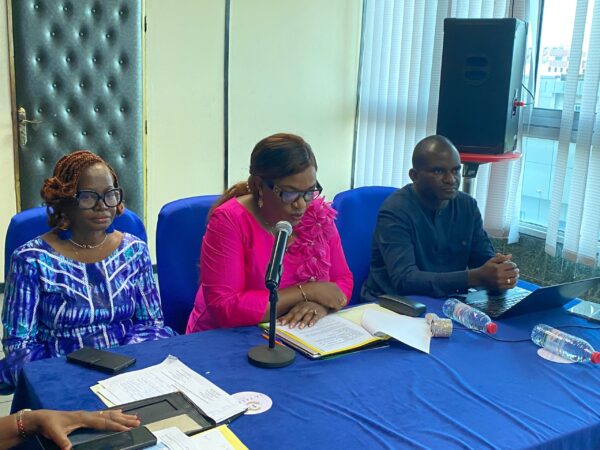
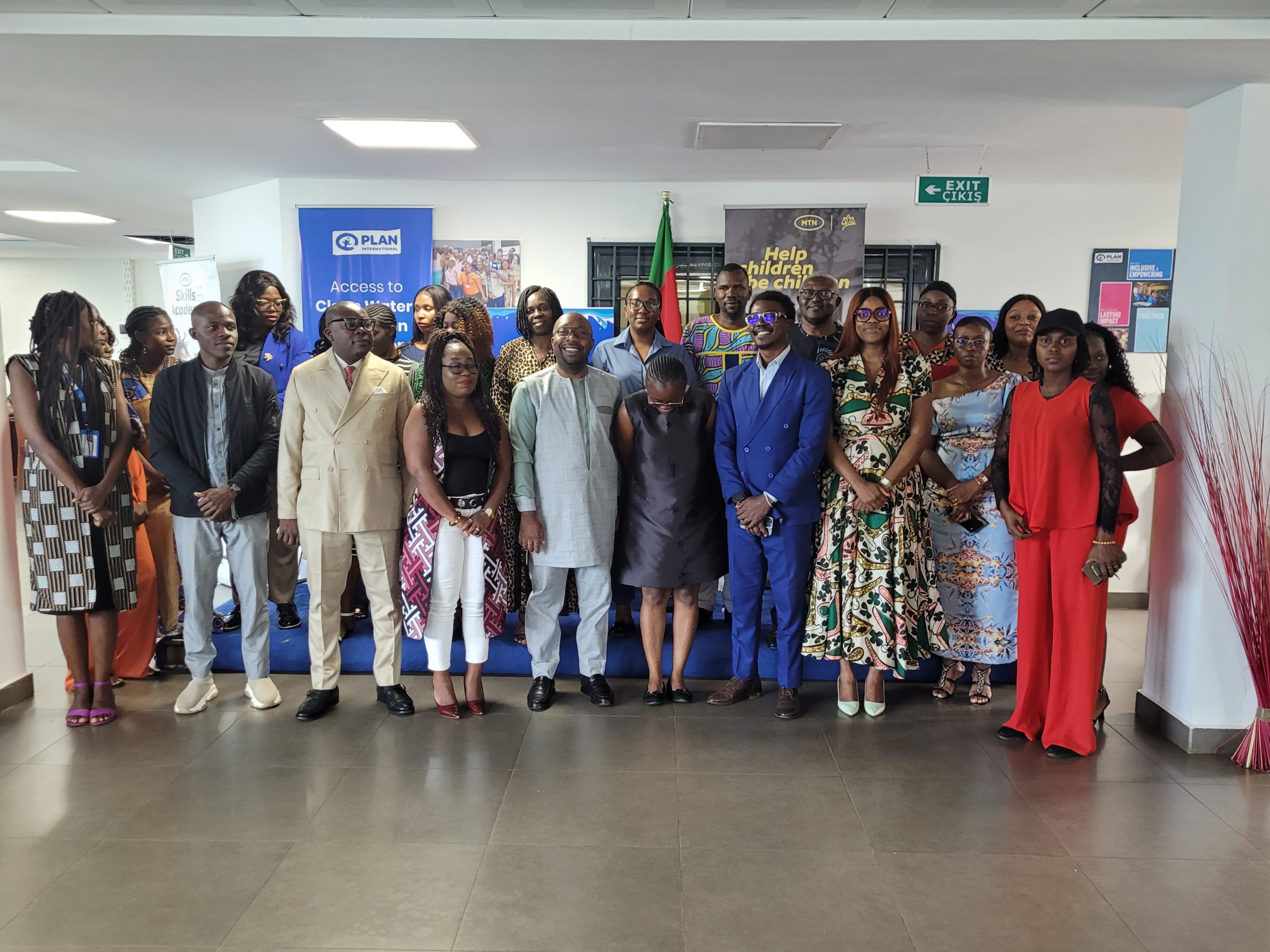
Recognizing the crucial role the media plays in shaping public perception, Plan International Cameroon and the MTN Foundation recently organized a two-day intensive training workshop from June 24 to 25, 2026, aimed at strengthening child safeguarding standards among media practitioners. Supervised by the Ministry of Ministry of Social Affairs, the workshop brought together 30 Journalists and social media influencers to align their practices with the spirit of the Month of the African Child.

The training pushed participants to thoroughly re-examine their editorial responsibilities, particularly when covering sensitive topics like rape and child abuse. By the end of the session, the attendees received official certificates of completion, equipping them to actively champion dignified narratives within their respective newsrooms.
A central theme of the workshop was the strict definition and application of safeguarding principles within humanitarian, development, and digital spaces. Ngouleu Epse Nzouke Josiane, a safeguarding specialist at Plan International Cameroon, emphasized that organizations must implement rigid prevention, response, and guidance measures to ensure staff, visitors, and associates do not cause intentional or unintentional harm to program participants.
In an increasingly digital world, the impulse to chase media sensationalism often results in the reckless exposure of children’s identities online. Plan International’s core advocacy pushes for a universal standard where all institutions, corporate entities, and private citizens recognize their capacity to cause harm from something as simple as a personal smartphone broadcast.
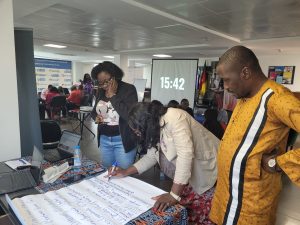
From a legal and judicial standpoint, the protection of a minor’s identity is not just an ethical preference but a strict requirement of the law. Magistrate Ulrich Ovono reminded journalists that the supreme interest of the child must guide every piece of information treated, emphasizing that exposing children’s images or videos inflicts inadmissible harm on their future adult lives. Adding to this legal perspective, Dr. Jeannette Afonde highlighted critical reporting constraints that journalists must strictly follow, including the absolute non-disclosure of a victim’s name, quarter, or specific locality. Preserving a child’s complete anonymity is essential to preventing lifelong social stigma and future prejudice.
Beyond the clear psychological and social trauma, unethical media coverage and child violence carry staggering financial burdens for both households and the state. Economic expert Dr. Albert Zeh presented data showing that a total of 20% of Cameroon’s state budget is funneled toward addressing this crisis, while individual households bear an annual cost of 250,000 CFA francs. For a single cohort of 100,000 children exposed to trauma or irresponsible media exposure, the cumulative direct and indirect economic toll over a 20-year period skyrockets to 213.5 billion CFA francs. These numbers starkly demonstrate that failing to protect children causes severe, long-term disruption to the country’s broader economic ecosystem.
To combat these societal and financial ills upstream, government initiatives like the Ministry of Youth and Civic Education’s – MINJEC REAMORCE mechanism focus heavily on grassroots civic education and community prevention. MINJEC deploys mobile popular animation teams—identifiable by their green or yellow “EMAPUR” safety vests—into both urban and remote rural subdivisions to educate populations on children’s rights and promote non-violent education.
The REAMORCE philosophy emphasizes that child protection is a collective civic reflex requiring the vigilance of neighbors, teachers, and shopkeepers alike. By teaching young people their civic duties and fostering community-led protection partnerships, the mechanism aims to spot, listen, alert, mobilize, and guide vulnerable children away from danger.

Complementing these institutional frameworks, private sector actors like MTN Cameroon are stepping up to foster a safer environment for the nation’s future leaders. Through their specialized program, “Helping the Children be children,” the enterprise provides youth with the tools to become digital champions while strongly focusing on online security. Because social media platforms naturally broadcast a chaotic mix of constructive and destructive information, corporate sensitization helps children navigate digital spaces without falling victim to exploitation.
Ultimately, building a protective shield around minors requires the combined, unyielding efforts of the state, the media, the community, and private corporations alike.