The Professional Training and Insertion Platform – PFIP Cameroon officially concluded a transformative four-day intensive training workshop for Gender Focal Points on May 8, 2026.
Held at the Ministry of Women’s Empowerment and the Family in Yaounde, the event marked a significant milestone for the RELIEEF Project, a collaborative initiative implemented by the IECD and ESSOR consortium with backing from the French Development Agency – AFD.
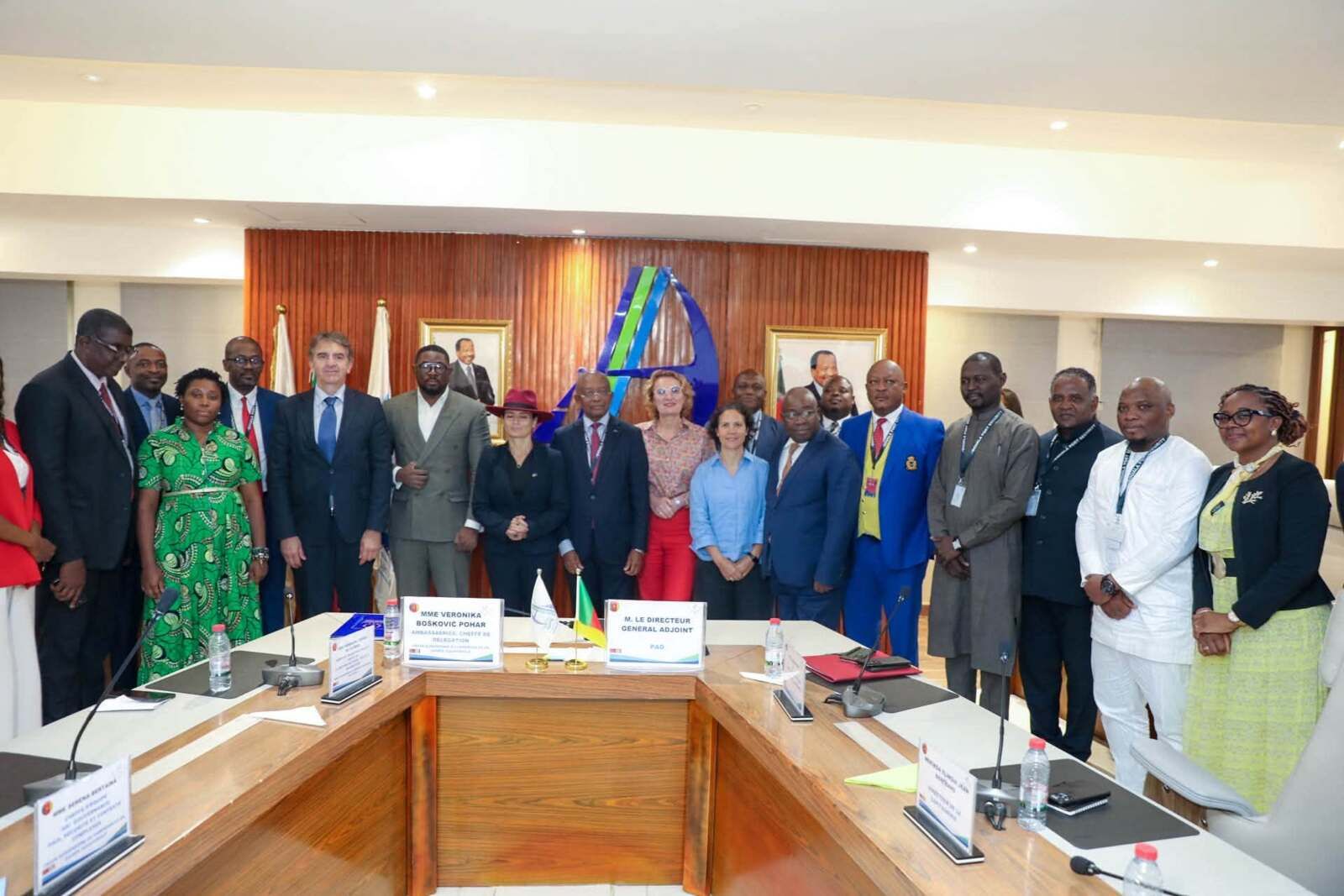
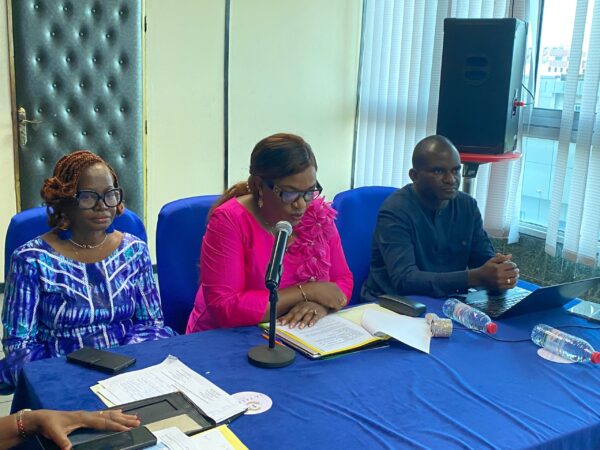
The workshop opened with high-level endorsements from government representatives and IECD leadership, emphasizing that integrating gender perspectives into institutional governance is no longer optional but a prerequisite for sustainable national development.
Throughout the session, a diverse cohort of participants—comprising ministerial officials, civil society leaders, and international partners—engaged in rigorous capacity-building modules. The curriculum was designed to tackle complex systemic issues, ranging from the technicalities of gender diagnostics and the formulation of Gender Action Plans to the critical prevention of Gender-Based Violence – GBV.
By mastering these tools, the focal points are now better equipped to ensure that development projects across various sectors are designed and implemented through a lens of inclusivity and social equity.
The closing ceremony provided a platform for reflection and future planning, led by Ms. JEMEA MAYON Christelle, National Animator of the PFIP, and Mr. Alexandre SAINT-UPERY, the RELIEEF Project Manager. Both leaders extended their gratitude to the Ministry of Women’s Empowerment and the Family for its unwavering support and technical guidance.
The organizers highlighted that the success of the workshop lies not just in the knowledge shared, but in the upcoming application of these strategies within the participants’ respective organizations to create more responsive and equitable work environments.
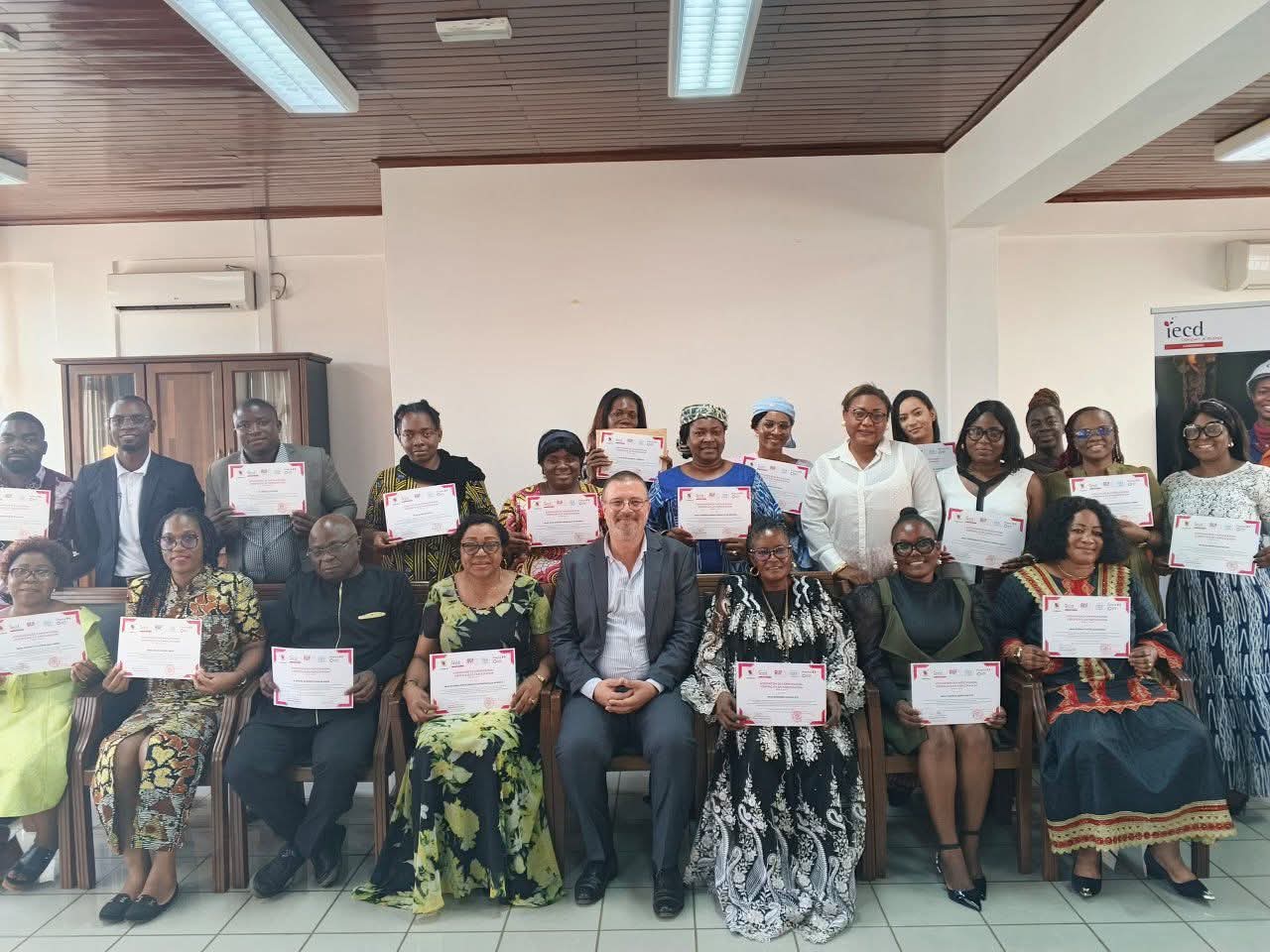
The event culminated in a formal certificate ceremony, honoring the active contributions of both facilitators and participants. This gesture symbolized a collective commitment to moving beyond theoretical frameworks toward tangible action.
As these newly trained focal points return to their institutions, they carry the responsibility of driving the “gender-responsive” mandate, ensuring that Cameroon’s institutional landscape continues to evolve into a more inclusive and equitable space for all citizens.